Midterm paper: a work that inspires you

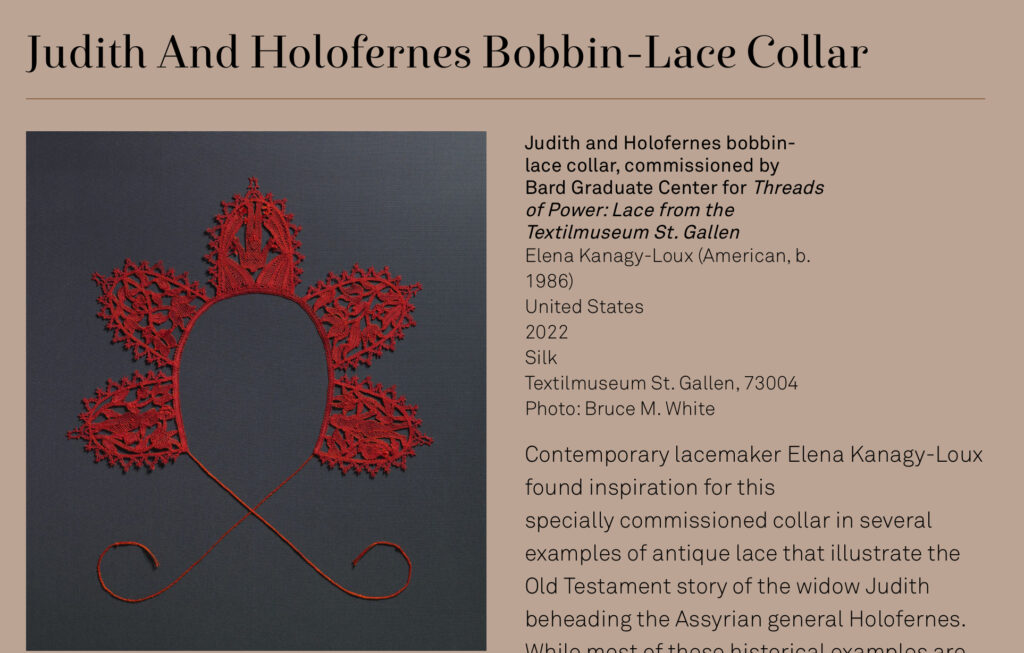
I don’t remember how I first came across this piece of work. I might interested in textile art, but this medium in particular is unfamiliar to me. Lace. I cannot deny that I was intrigued by the form, I didn’t think this was supposed to represent something. After reading the artist’s description of the project, I realised that it shared the same theme as my favourite painting. I particularly liked this Reinterpretation because it looked nothing like the ones I had been studying. Before seeing this piece, I didn’t associate textile art with an actual way of communicating, as actual “Art” (whatever art means ). I always thought of this medium as a way of doing clothes or a strait-forward image created using fabric, yarn and thread. This opened my horizons to consider textile art as an art not a “craft”. Now I realise I was looking down on one medium, I was adhering to the idea that a craft is not art, and that art is always several steps above “crafts” . This piece was a turning point for me. I had already been working with embroidery and crochet before this lace’s discovery. But I didn’t think I could convey such intricate narratives through this medium. i also think it was important to me to find this specific theme in textile work. I had been collecting different stories (displayed on media or in the art world) about women using violence to gain the power they were denied of. Judith beheading Holofernes has always been on the top of my collection top stories. I have studied different reinterpretations, comparing the painting done by Caravaggio and the one made by Gentileschi helped me see the way different artist react to the same theme. Translating this reinterpretation to a completely different medium also was a huge surprise to me. The fact that this art is something wearable and the way the shape interacts with the central theme was what I needed to find muy passion. I tried to make my textile projects into something completely functional before this, now I have been working in different way of communicate complex ideas through textiles. I always come back to this piece for inspiration. The lace helped me discover different ways of art making. It also remind me to look closely, to take my time. Every time i revisit this artwork, I realise something new. For example, I think it is a way use of medium to reate a necklace (a piece of jewellery that goes to the neck) to a theme involving the beheading of a man. The lace also introduced me to more historically details of the theme. I always thought this was a topic exclusively to painting. Seeing that Judith beheading Holofernes is a rather common topic among the lace making work explored my bubble. I could make textile art that is complex, that mixes stories, that represents something important to me; I didn’t have to stick to a more practical way of textiles. This lacework is the beginning of my freedom as a textile artist, it is what I needed to find the medium I am the most confortable with.
Fears about yourself response

Art and Fear

The book identifies two main fears for artists: fears a bout themselves and fears about their perception by others. For me, this two concepts are often related, and one fear might encompass both ideas.. I think it is interesting how it explains the importance of workin even if the result is not good (a clear example of lateral thinking). I also thought it was interesting the way it approached the “pretending” part. The impostor syndrome is really common, and the idea that one cannot pretend to make art is a great way of fighting it with logic. I also liked how the self consciousness of the artist is recognised as an advantage and a disadvantage, as well as portraying different ways artists react to this issue.

I also really liked how it tackles the idea of the artist self projection into art. It is also interesting to have someone trying to demystify the idea of natural talent. (Which usually denies the effort put by the artist)

I personally liked the expectations part. I think this is something to which I resonate a lot, and it is interesting to get a more logical explanation

Studio visit: Ephemeral Tomorrow

Ephemeral tomorrow

For musicians?

Architecture, music, visuals, (audiovisuals installations)

Codes have a meaning

Scientific background (neta?), discovery, phenomenon, reinterpretate in a poetic way scientific content

Gravitational Waves: topic reality, prerecorded data sets from observatories, raspberry pi

Solaris: real time data , meditative state, need to touch the pedestal, sound through the hands (mixing senses touch and sound)

Solaris, science fiction, no aesthetic inspiration, but mood ?

Satellarium III: real time position, Constellation communication

Epiphytes: humidity sensor, extension to communicate (plants, spinach, that send emails kind of thing?)

Aether Echo

Safety into account : regulation for lasers

Does the light disturbs the ecosystem? Is it a already human altered environment?

Make Assigment: Blue Sleeve

I was unsure of what to do for this assignment. I still wanted to try something outside my comfort zone, but I also wanted to explore one of my interests.

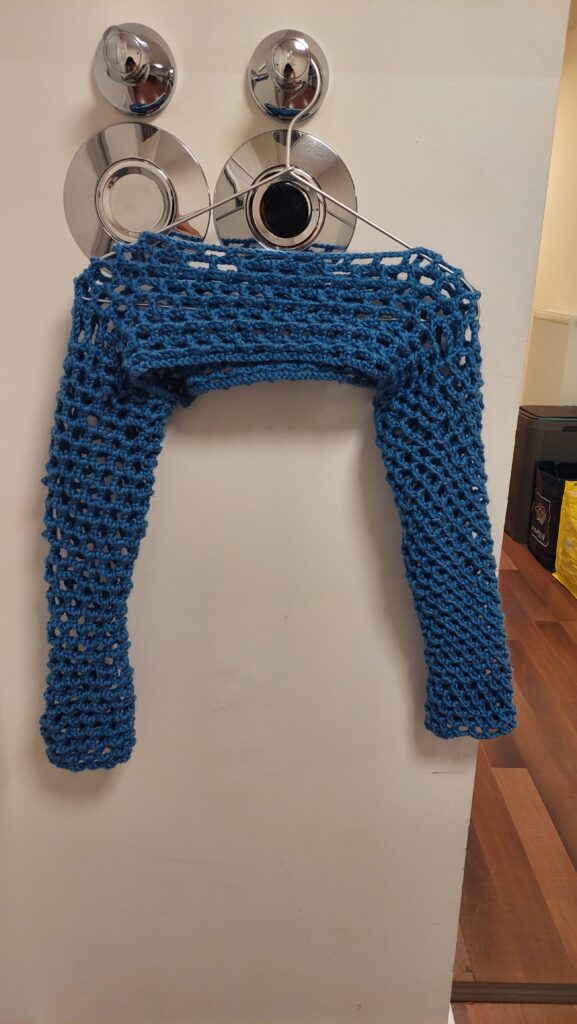
For some time I have been thinking about documenting my crochet projects so I can have an archive. Crochet documentation is usually characterized by visual support: pictures of the finished design, videos of the stitches and patterns written in an incomprehensible language. When I think of my projects, I think of what I was doing while I was crocheting. I often crochet during my 5 minute breaks while studying or when I listen to a podcast. I wanted to assign a mix of sounds to each project. For this one, I used different sounds I associate with my last project and actual recordings of my environment while I was crocheting. The blue sleeves is a project I started during finals week to help me focus, especially while studying chemistry. I finished the second sleeve yesterday while going back to the dorms, and I finished weaving the ends in my room while listening to a podcast (about Darth Vader). The audio is not supposed to be “musical” or have actual rhythm, it is more a fingerprint of my process than a musical piece on its own.

Here is a link for the final audio:

https://drive.google.com/file/d/1gyaknu6m6B_kM9RMfMS2YGZ6rBTr1ME-/view?usp=drive_link

Here is a photo of the final product for reference:

Making assignment: museum

Welcome to the Maluseum! For 10 years, we have been creating experiences and sharing art with our visitors. We are happy to announce the opening of the Summer 2023 exhibition!

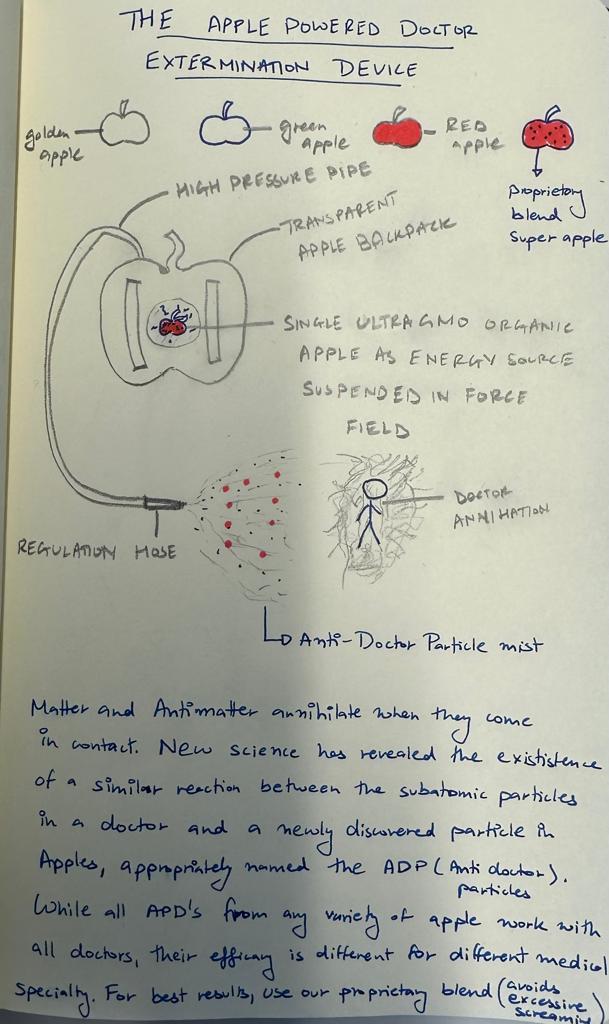
In Maluseum, we are proud of delivering apple experiences to everyone.

Apples come in different presentations, they can be red or green, they can be eaten sliced or in an apple pie, and so on. In Maluseum, we want to expand this vision, apples can be experienced in more ways, its not only a food, it is a lifestyle.

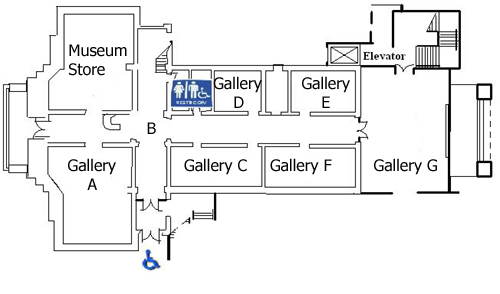
Gallery A: Human + apple = art

Gallery B: Chronicle of an apple (photo album)

Gallery C: Innovation, the apple concept

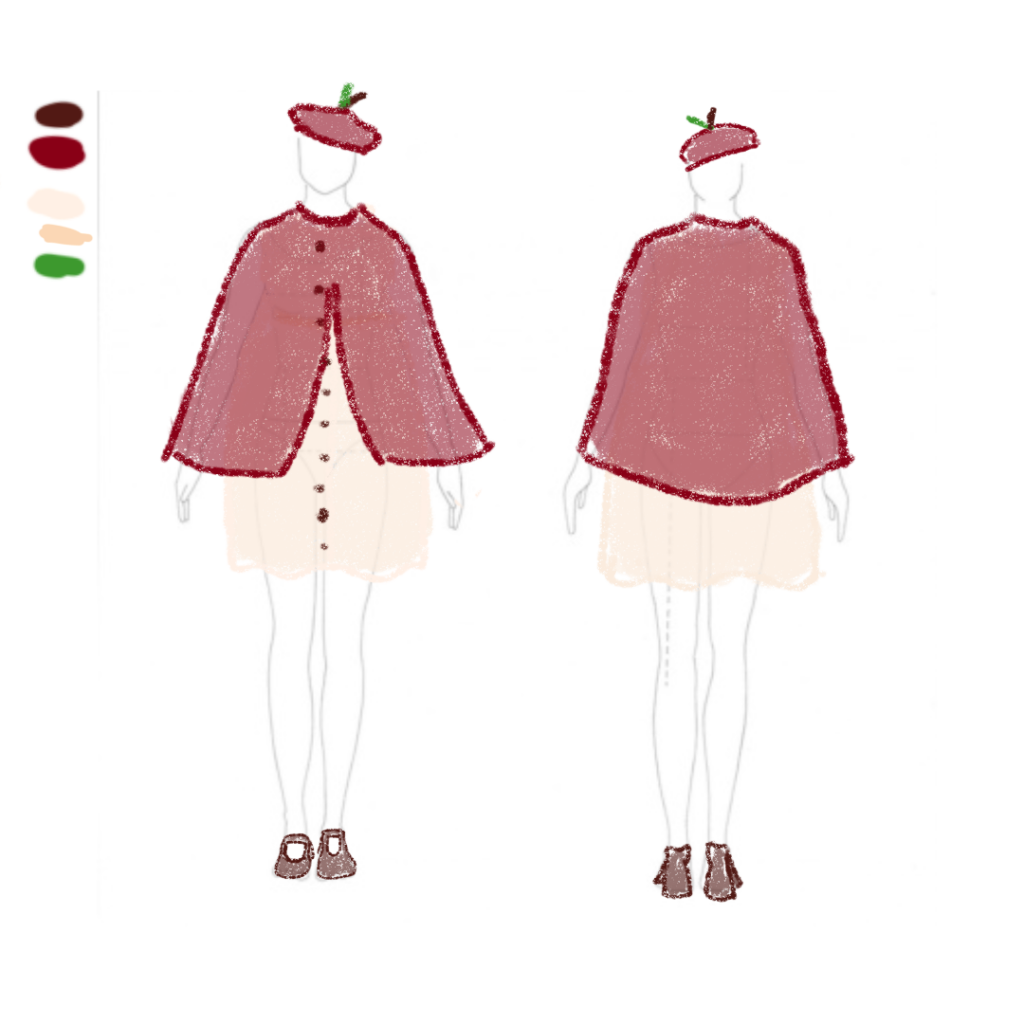
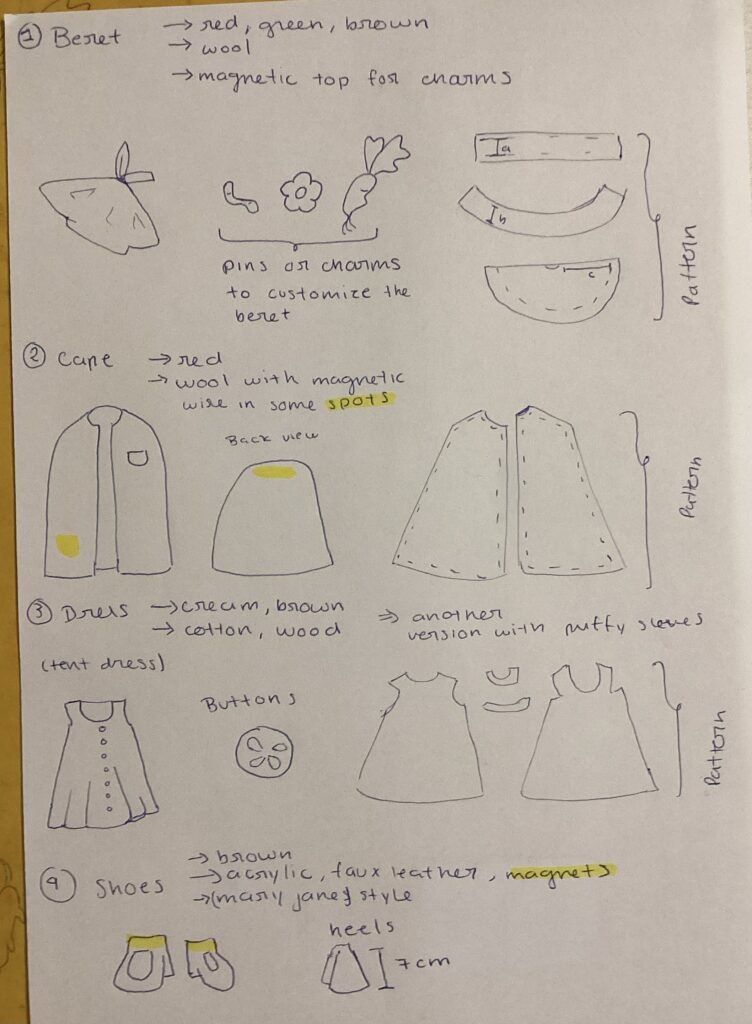
Gallery D: Wear the apple

Gallery E: The history of apples

Gallery F: Discovery through the senses

Gallery G: Cooking!

Come on June 6th to the big opening of the new exhibition, here is a small glimpse of some of our favourite pieces

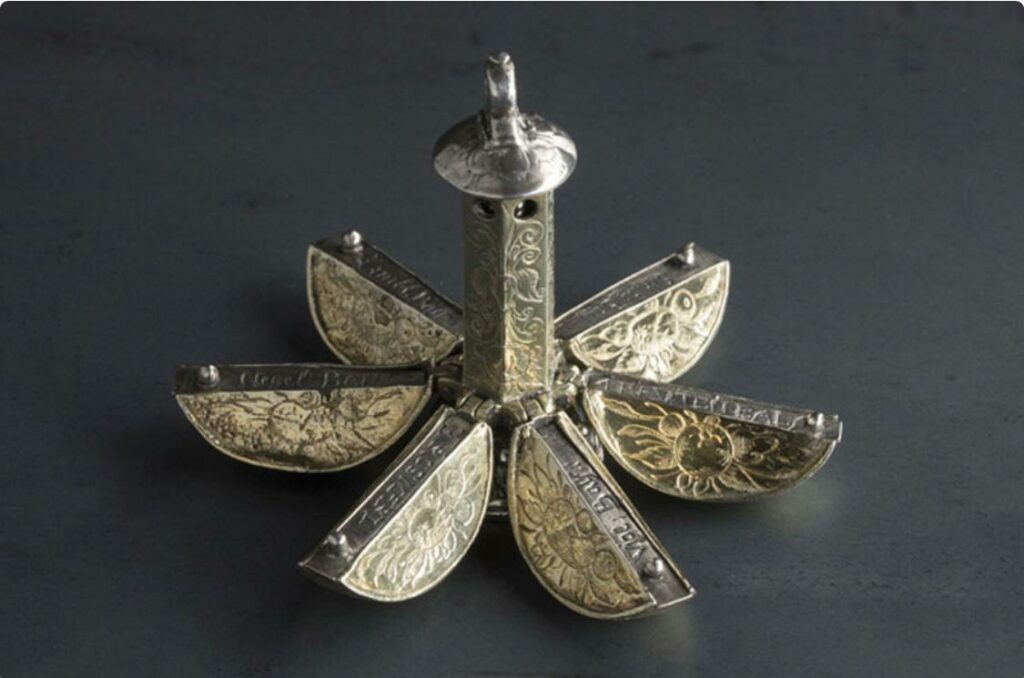
From the French “pomme d’ambre” or apple of amber, this small object, often divided into quarters, was used to carry dry perfumes or small scented sponges. These powerfully odorous substances were thought to protect against the miasmas of epidemics. Worn on the belt, as a pendant or held in the hand, pomanders were an item of dress and crafted like real jewellery.

=> see this artefact in gallery F

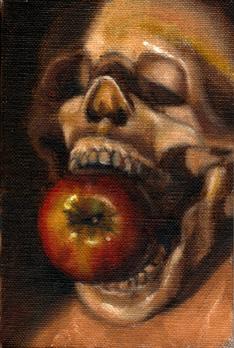
=> Discover these pieces in Gallery A

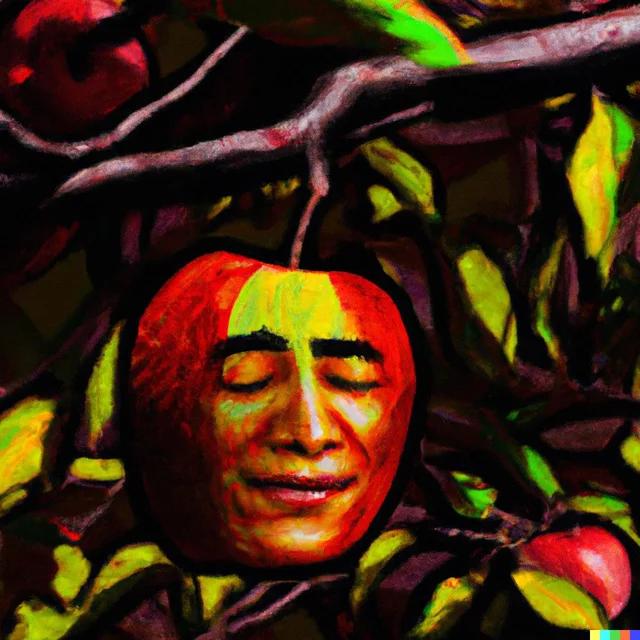
=> Discover this invention in Gallery C

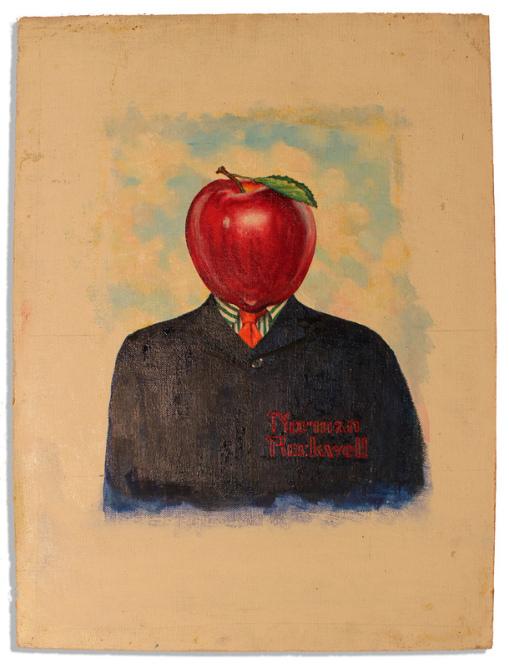
=> Discover this design in Gallery D

And remember the entrance is free on Tuesdays!

See you soon 🙂

Studio Visit: FIELD

I liked this visit (even if i got lost trying to find the place). The way they found inspiration from food was interesting. The animation with the noodles looked really smooth and was really pretty. I realised that I liked what they were doing when they were showing the project with the lab equipment. I personally hate chromatography, but the second I saw their design I though: Oh chromatography is pretty. Making me forget my hate for a process for a second is something really hard to achieve, and they did it.

Art & Fear: the nature of the problem

As the name suggests, the chapter starts by describing the fear of the artist: not being good enough and what I can only describe as impostor syndrome an the feeling of alienation to one’s art. It really tackles the (wrong) idea of the Artist as genius, as someone that was born with a divine gift for the arts. (this discussion actually remind me of a great essay called (Why have there been no great women artists? By Linda Nochlin)

This idea of the genius artist is confronted by 4 main ideas: Skill can be learned, ordinary people make art, viewing and making are different roles, and art making is something older than the modern view of art.

I’ve always hated the distinction between arts and crafts. For me it only feels as if one practice is less difficult than the other, when each one has its difficulties and requires skills. (In my opinion there is also a link of crafts being perceived as a feminine activity, but I don’t really have proofs). This separation comes from the difference between something learned and something innate. Anyone can make crafts, only Artist can make great art.

This chapter also go over the fact that art is personal, but does not define the artist. This also shows the importance of differentiating the process and the result, specially when it comes to see the roles as an artist and as a spectator. I liked how it explains art as a modern concept, because yes art existed before, but it was not perceived the same way. (I wonder how this concept has been recently affected by technology)

Lateral Thinking: Innovation and suspension of judgement

The books describes lateral thinking as moving backwards and vertical thinking as moving forward. Something that has been bothering me about these ideas is mentioned in this chapter: the distinction is completely arbitrary. vertical thinking can be developing and restructuring, as well as lateral thinking. For me, these two concepts are not even distinguishable in most aspects.

One thing that still bothers me is how vertical thinking is described as “being right all along”. I genuinely don’t think such thing exist. Later on the chapter it is explained that in lateral thinking “wrong” ideas are also explored, which is different from being right all along. However, I still think that the concepts are too close to be considered two different things.

What I thought was interesting about this chapter was how wrong ideas are explored. The way i interpret it was : ok it is wrong, but what if it wasn’t ?

Which I think is a interesting way of approaching problems.

Studio Visit: Robert Seidel

I liked this visit. The pace was slow at some points, but overall what he was saying was interesting. I liked how he showed us his watercolour paintings. I thought this really showed a part of his process, and it was interesting to see that he uses this medium as a preparation/ inspiration to do digital art. I also liked how he shared some of the problems he faced during his installations. I wished he talked more about how he dealt with the lack of equipment or the restrictions he faced. I wished he talked more about how he came up with his designs when he could not visit the actual location. He did mention it, but I wanted to hear more about it. I liked seeing his progression over the years. 

looking to the past (present)- making assigment

Why do we have monuments?

because we want to remember

why do we want to remember?

because these things are important

why are these things important?

because they define us

why do they define us?

because we changed after these events happened

Why did we change?

because we experienced something new

“why do we want to remember”

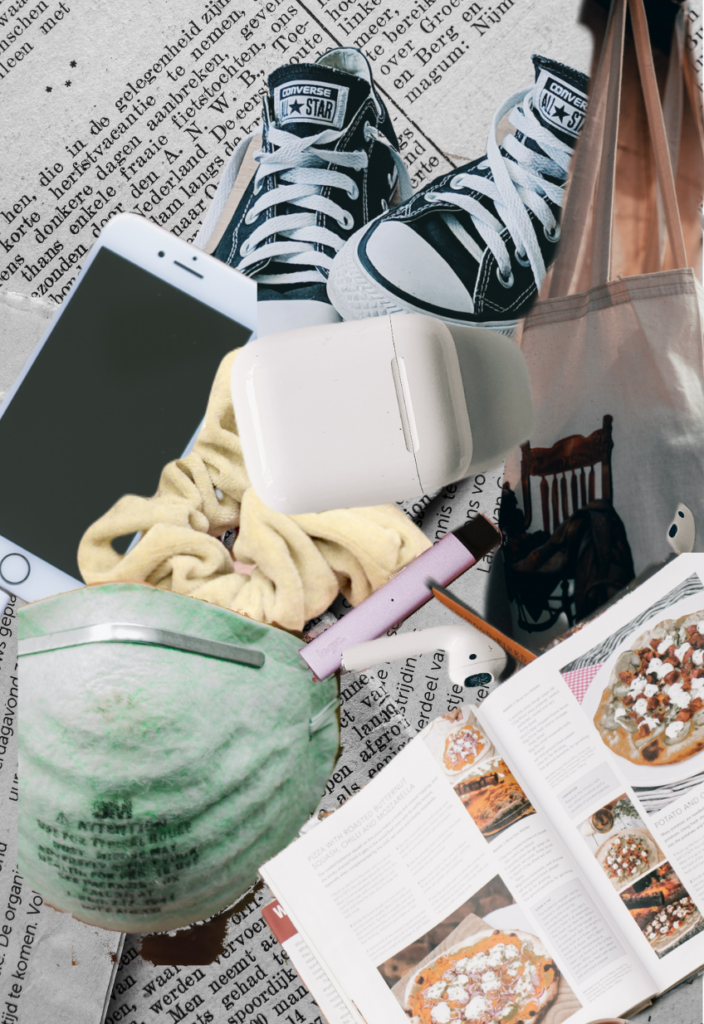
The idea is to build a time capsule for this year and then imagine what someone from a different time would interpret the objects.

  • smarthphone
  • vape
  • a used mask
  • someone’s spotify wraped of this year (last year?)
  • food recipes
  • a pair of converse
  • airpods
  • memes
  • tote bag
  • scrunchies
  • diary entries (without context)

“This civilisation is surrounded by mysteries, there are more questions than answers whenever we try to undestand their ways of living. For example, it is still unkwown why this type of bag was popular during the time, the shape is not useful for large objects and it lacks a way of closing them to protect the items. For this reason, it is believed that it was used to transport live forms, such as babies. This primitive method of transport is worth more studies, because it might reveal their relationships with younger members of the species. Another big mystery is the little block that produces smoke. Some scholars believe this was used as a ritual artifact, more specifically, in a special type of ritual involving the young adults to ensure the well being of the community. Another interesting artifact is…”