This chapter explores how artists deal with the fears of being misunderstood, rejected, or ignored by their audience. The author argues that these fears can hinder the creative process and make artists dependent on external validation. He gives examples of how new and innovative art forms are often dismissed or misunderstood by the public, and how artists can cope with this challenge by balancing their experimental work with more conventional ones. He also warns against seeking approval from peers or critics, as this can compromise the integrity and authenticity of one’s work. He advises artists to focus on their own vision and communication with their work, and to trust that the audience will eventually catch up with them. I think this chapter offers valuable insights and advice for artists who struggle with self-doubt and insecurity. It encourages them to be confident and courageous in pursuing their own artistic goals, regardless of the opinions of others.
Category: 2023
Reading Response 7 – Fear about Others
This part is very informative to me as I have always had a strong inner critic about if I am doing good enough so that others might not think of me as incompetent, “weird”, or in other negative ways. I could see me resonating with this chapter when I read the names of the sub-sections — I have always treated others and their opinions at first by understanding, acceptance, and approval. If I disagree with them, I instinctively try to think of the reasons of this disagreement and rephrase my expression according to that. Hence, in fact, I found that what the author suggested in dealing with these three fears quite intuitive: to reduce fear of being misunderstood, an insulating period from the immediate critics are needed (I believe most of the time, those people who criticize immediately are either simply uncomfortable to unconventionality or change or criticize in the sake of criticizing); to reduce fear of being not accepted, we should consider that being considered by others “not art” if you think what you made “are art” probably means that you are developing a personal style, or even opening a new pathway or field of art; to reduce fear of being not approved, we should believe that the audience may not be able to resonate with your work as they cannot experience what you experienced during art making.
Class Visit 4 – Ming Poon
- Unexpected Opening (dance with Bruna and self introduction + check in for everyone), demonstrated his consideration for the audience for the whole time, “access needs”
- Choreography is organizing bodies in time and space
- Dance, or art in general, are not only about the technical adeptness of the artist but more about the impact and meaning in its background. I personally found this to be connected to my understanding of the philosophy in our East Asian culture – the general notion of “purpose” and “usefulness”.
- Decolonization – Avoid Western-centric ways of narration. Deconstructing stereotypes and imbalance between different cultures.
- Solidarity, Togetherness, “We are all in this together”. We should try to know and understand everyone, recognize one’s privileges and biases, and work out our best. I find this also somehow tied to the Collectivism behind the East Asian / Taoist philosophy “Great Unity”. However, his creativity opened up new ways to interpret this I never thought about before. His art usually includes the audiences as the main characters. I got goosebumps when I see the audiences actually succeeded in producing a collective dance performance.
- Psychology major, artworks are researched and carefully designed to make everyone feel safe while attaining their purpose. They are like social experiments. E.g. the undressing room, audiences actually turned out to be more accepting to their and each other’s bodies. In fact, as somebody from that part of the world, I personally consider this artwork to be extremely meaningful especially in East Asian societies where people tends to discuss body / sex in a very implicit or even avoiding way.
- Political Activism, June 4th Protest. Continuation of effort of the annual commemoration in Victoria Park, HK after it was banned in 2021.
- Weed Principle, survive under the worst conditions. Changing the system is hard, but we should demonstrate to those in power that we are here
- Show them, not explain to them
- Artists should know if they are the right people to do art on some topic.
Reading response – Art & Fear Ch. 4
Sometimes I get confused about whether the book is drawing an argument for people who make art in general, or specifically for those who do it professionally as a living. This chapter sounded more suitable for the former group, since it’s clear that, on a personal level, being an artist is a deeply personal process.
In that sense, I slightly disagree with the idea that (professional) artists don’t have a client. At least based on the ones I have met, artists often have to make the case that their art is relevant for collectors, institutions, funding committees and so on. The general advice for such is to find the right audience instead of trying to make the right art. Still, I think it is fair to assume that at least some of those external opinions, upon which artists depend to survive, will play a role in what type of art is made. In their case, it is totally understandable, and perhaps encouraged, that they care about acceptance and approval to a certain extent.
Class visit – Ming
- revolution on a personal level? trigger uncomfortable or new feelings through unusual experiences (like Undressing Room)
- choreographing historic moments
- use art to subvert the system and tell a different story
- it’s not about the artist as a person -> artist as a channel, not a gifted/special individual
- art not about the beauty, but about power (who gets to make/be recognized by making art?)
- show those in power (e.g. censors) that we’re not afraid
- privilege of living abroad and being able to safely criticize
- guiding questions: who is missing? Am I the right person to do this project”
references that he cited
- Políticas of Touch (Erin Manning)
- Weak Resistance (James C. Scott)
- Queer Art of Failure (Halberstamm)
- Jose Istaban Muñoz
- Weed Principle
- “What is white privilege, really?”
- Mutating Kinship Lab
Class Visit- Ming Poon
- The only artist who cared enough to make the effort to get to know each of us individually, really putting into the effort to connect with the audience
- The fact that he asked about access needs – very considerate of the audience
- Similar to what Harshini mentioned, he talked about how it is important to give artist talks because artists don’t think about their work much otherwise, it is a good process to stop and think
- It is nice to articulate
- When artists state that their work is their work and they don’t want to explain it, it is just an excuse to not go deeper into their work
- He has created his definition of choreography: organizing the body in his own time and space
- Loved how he focuses on the audience, especially in the loneliness intervention where he isn’t even on the stage, giving the audience the reins, and creates new experiences each time not just for the audience but also himself
- “The Audience are the performers”
- He’s a courageous person as exemplified by his works such as the undressing room where he is getting as involved in his work as to get undressed in front of his subjects showing all his fears, vulnerabilities, and insecurities to strangers
- I think as compared to the other artists that we’ve met over 2 weeks, he is neither humble nor arrogant: he is very confident about this work and knows exactly what he wants to do but at the same time he’s very inclusive of his audience too
- As someone who’s been a science/CS student her entire life, it was one of the few times that I felt that art has more meaning to it than just aesthetics (no offense to anyone) or making art for the sake of making it, there’s a bigger purpose to it.
- I could never have imagined that dance and choreography could be used for political activism, the amount of depth and courage his entire career trajectory involves is impressive
- “Artists are not protagonists, they are not genius, they are not the center of their work” The audience needs to be involved too and they need to put in something to get something out of the experience
- Even non-participation is participating, the audience and artists need to work in collaboration (not participation as it limits what is expected from the audience)
- He also emphasized a lot on the concept of solidarity and working together as a community, realizing one’s privileges and biases, and working within the best of one’s capabilities e.g. he mentioned how he doesn’t expect artists in China/Singapore to engage in political activism because they don’t have the liberty to without endangering their lives, but he has that privilege so he should acknowledge it and put it to good use
- I also resonated with his argument that before beginning any artistic venture, he asks himself if he is the right person in the right position to get involved in that work, e.g. should he get involved in making art about women’s struggles when he doesn’t know much about it nor can relate to it? Will he mansplain by doing this? The idea is that an artist shouldn’t do everything they find interesting, somethings are not meant to be done by them
Reading Response – Fears about others
Shahram Chaudhry
This chapter delves into the impact of others’ opinions on artists and proposes mindsets that can help overcome this challenge. I agree with the author’s observation that artists often find themselves trapped in a continuous cycle of self-criticism. I experienced this during the creative process, where I became preoccupied with how my work was perceived by others. When our work fails to garner the understanding, acceptance, and approval we seek, we inadvertently give our audience control over our creative choices. Case in point, I vividly recall taking notes during class discussions on the first 2-3 making assignments, intending to replicate what was well-received by the majority.
Furthermore, the writer aptly points out that artists face the expectation of producing new and distinct pieces while also maintaining a sense of familiarity with their previous works. This expectation could be frequently observed during class and studio visits when my classmates inquired about the thematic choices of artists or the lack of commonality in an artist’s body of work.
Also, we need to acknowledge that most people will struggle to comprehend an artist’s work, especially when it belongs to a new genre. While the desire to be understood is inherent in human nature, allowing ourselves to become dependent on the audience’s understanding can stifle creativity. In such cases, artists may find themselves producing work that is condescending, arrogant, or both, simply to cater to the audience’s comprehension.
The author proposes a solution to this predicament: creating an “insulating period,” a gap of time between the completion of the artwork and its sharing with others. This interval allows the finished work to settle within the artist, finding its rightful place and providing an opportunity for self-understanding. Consequently, when others evaluate the art, their response becomes less daunting and holds less sway over the artist’s creative process. Inspired by this suggestion, I experimented with the early completion of the making assignment this time, which helped me be somewhat satisfied with the quality of my work.
Reading Response- Paths of Liberation and The Conditions of Flow
Shahram Chaudhry
While the control of consciousness immensely improves the quality of life it is hard to achieve because it can’t be transmitted through cumulative learning, instead it is acquired through trial and error and also because knowledge of control of consciousness needs to be reformulated according to cultural contexts.
I believe that the aim of flow-inducing activities is to promote deep concentration in order to teach oneself control of consciousness for e.g. sports players are physically separated from the audience and the outer world, immersing them fully into the ‘reality’ of the game. I also believe that ‘flow just flows (i.e. sometimes it just comes naturally) ‘ especially keeping the hanging out with friends example that the author gives. I have noticed over the period of the last two semesters that sometimes when I hangout with my friends, it’s really fun and refreshing and we don’t get bored even after talking for hours while at other times 5 minutes into the hangout and we’re all already bored and ready to head back. As the liveliest person in my friend group (or so I like to think), several times I’ve consciously tried to note what works for our group and what doesn’t but to no avail but now I understand the logic behind it .
Although all kinds of games (in a very broad sense) can be divided into 4 categories, agon (competition based games e.g. sports), alea (games of chance), vertigo (perception altering activities such as merry-go-round/scuba diving) and mimicry (creating alternate realities, all forms of art fall into this category), the aim of all of them is to transport participants into a new reality. I agree with the writer’s logic that flow inducing activities lead to growth because it is human nature to get bored or frustrated easily, if we engage in the same activity for too long, i.e. so we seek new challenges for enjoyment.
Another point the writer made and I resonate with is that if we try something new out of boredom and come across something challenging, although we have the option of stepping back into our comfort zone, it is hard for us to ignore a challenge once we’re aware of it. For example, several times over the weekend, my friend needed help with online payments bookings etc. although I failed several times and I was not in ideal conditions to help, I took the challenge personally and was more persistent and invested in solving the problem than he was even though I could easily ignore the problem as it wasn’t even my problem.
I believe that the writer’s observation that different cultures have developed their own forms of art, play and ritual to improve the quality of their experiences, and they probably occupy more time and energy than work holds true. For example, native new Guineans spend more time looking for colorful feathers for their ritual dances than food. Similarly, in my culture, cricket is a huge deal and you can see many people crazily following all the matches and others playing it even in the scorching summer heat.
Class Visit – Ming Poon
Anti Fragile. activism, audience focused art. Community behind him, but he has to be the polarizer since he can escape. June 4, a different meaning to powerful movements.
Audience is present
audience is intelligent
non participation is participation — collaboration>participation
change is collective action.
The audience is everything.
Assignment #7
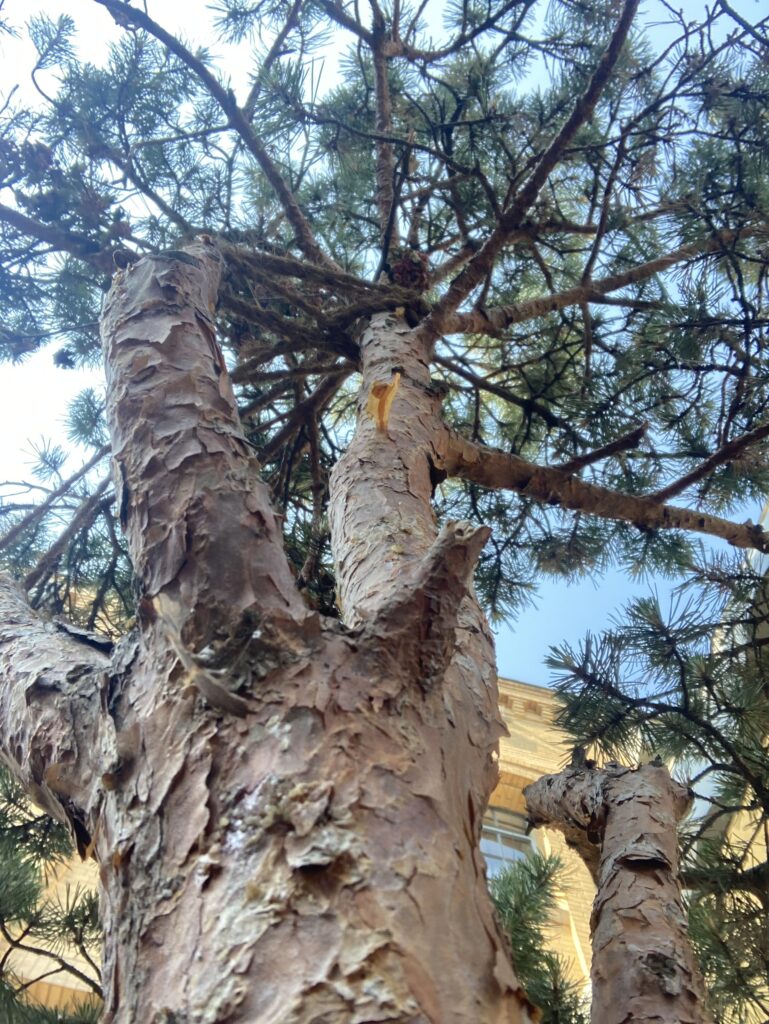
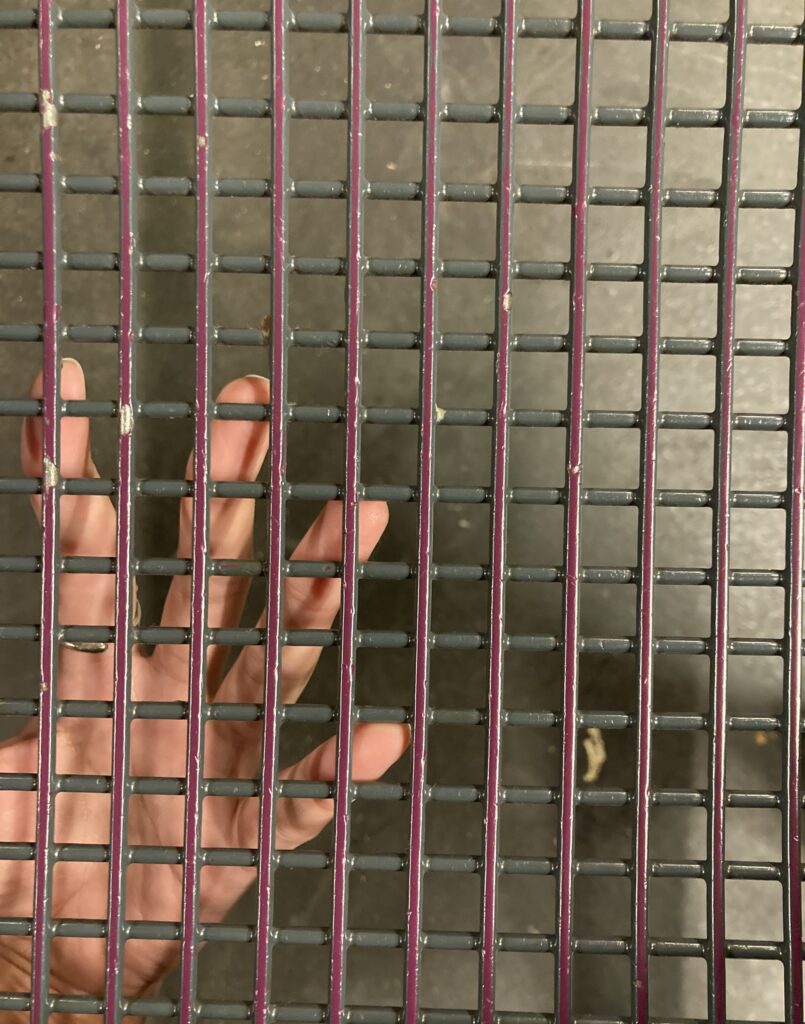
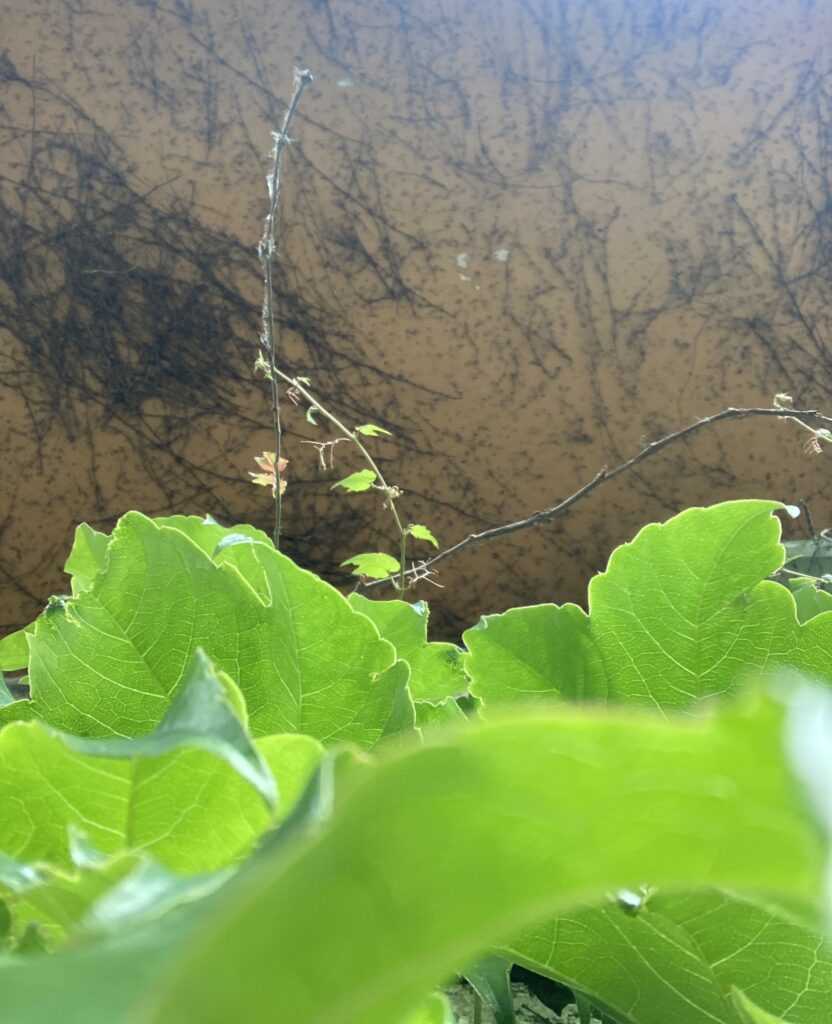
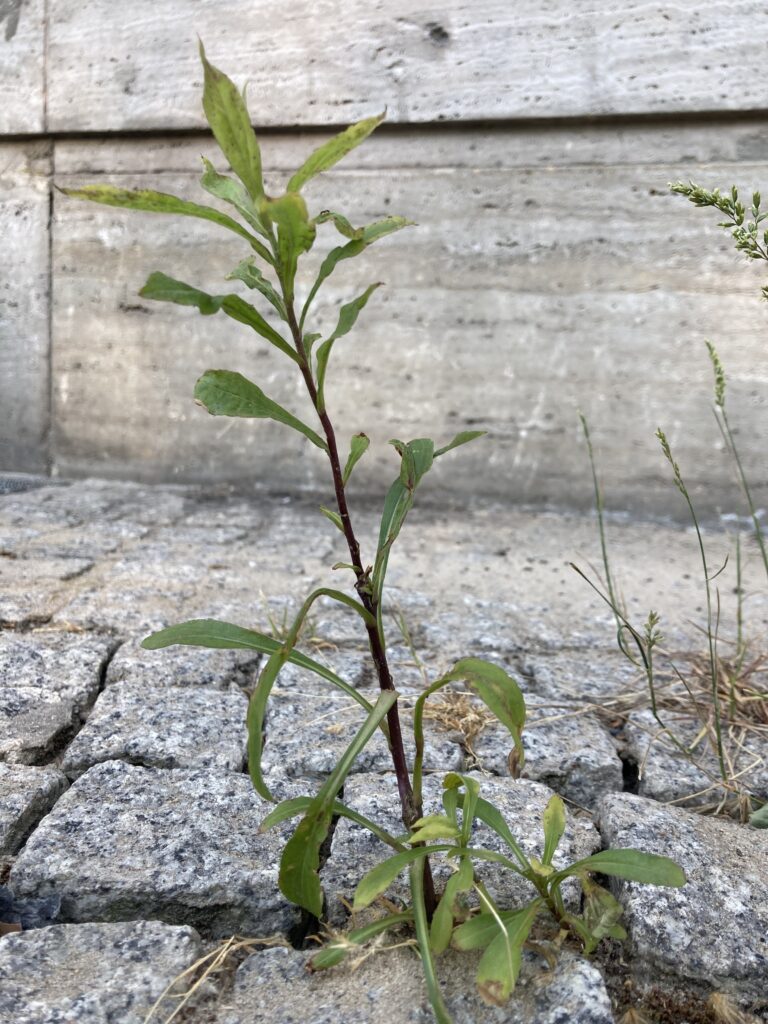
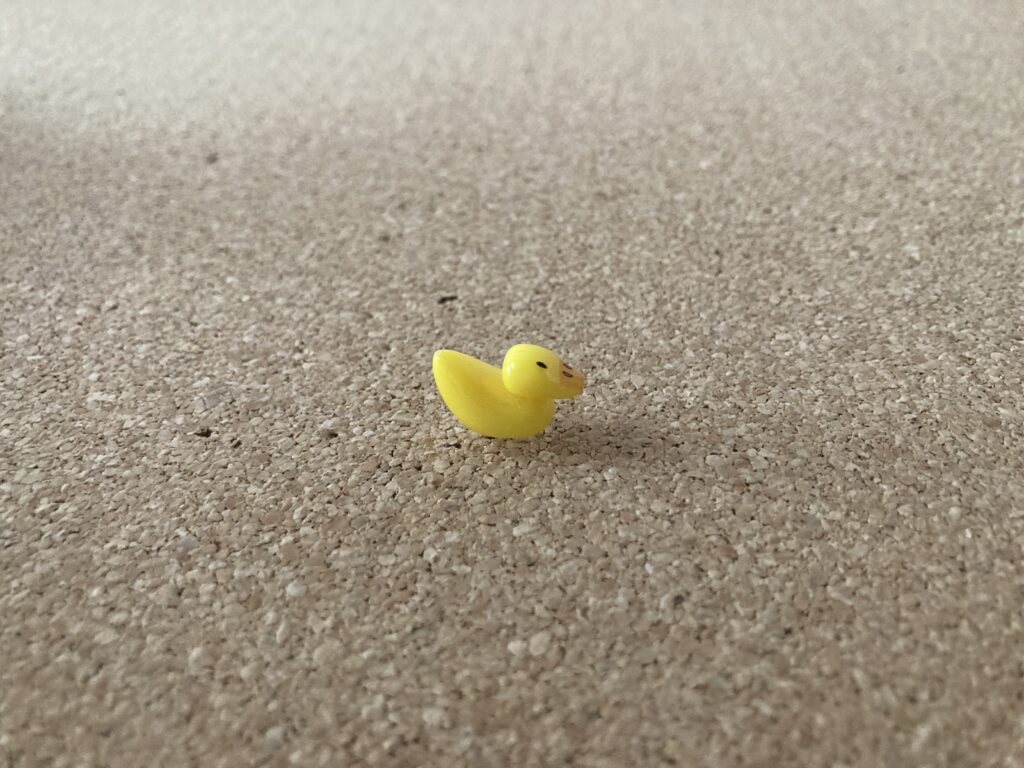
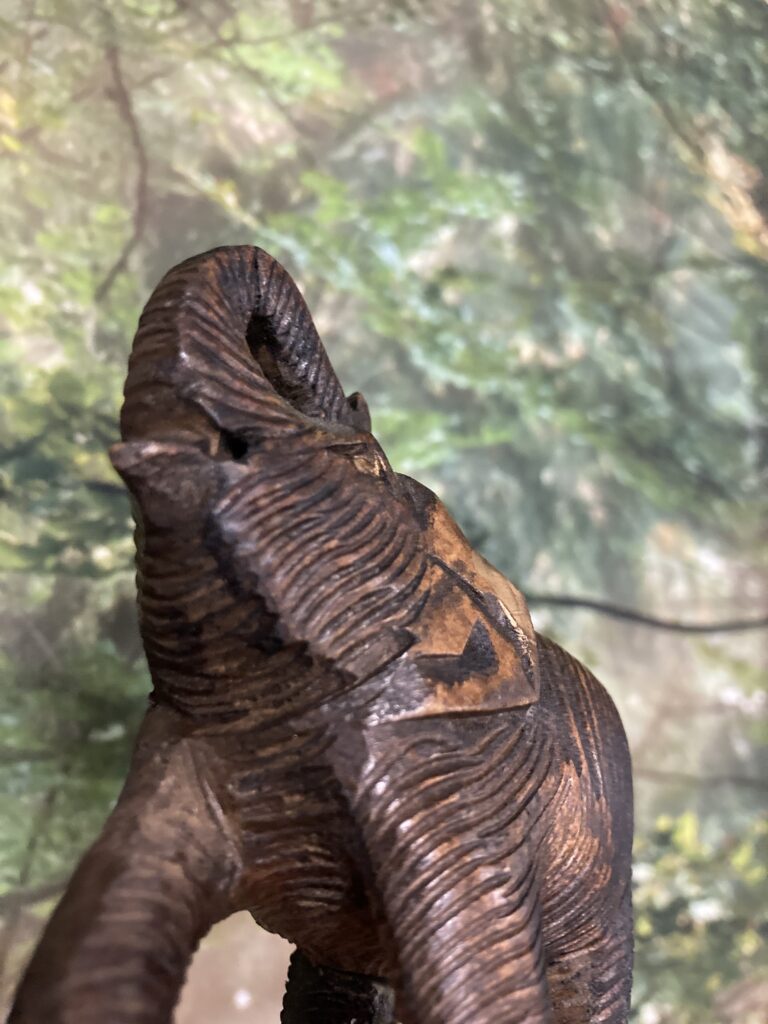
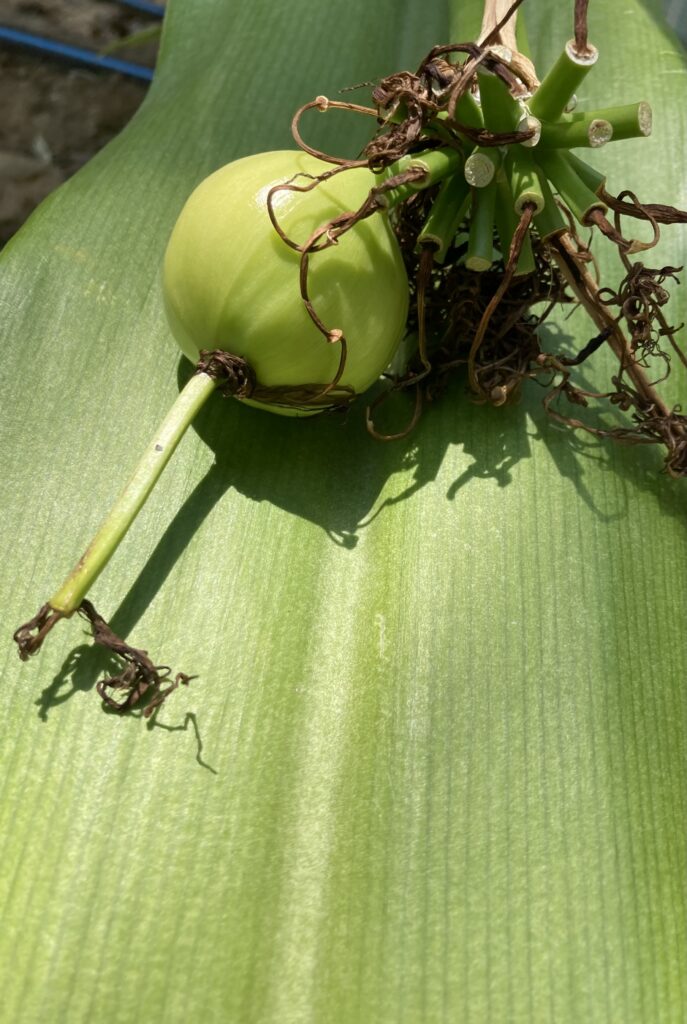
I continued my idea from last week of recording sounds of “small” things and to make them louder, and decided to take pictures of objects/plants in a way so they look bigger than they actually are.