Their work was mainly abstract. They heavily invested in research for their projects, which they explained well. Fitbit design. I thought that, in most cases, they had in mind what their final product would look like. They left me wondering whether having many members in a team was advancing their creativity.
Month: May 2023
Making assignment: museum
Welcome to the Maluseum! For 10 years, we have been creating experiences and sharing art with our visitors. We are happy to announce the opening of the Summer 2023 exhibition!
In Maluseum, we are proud of delivering apple experiences to everyone.
Apples come in different presentations, they can be red or green, they can be eaten sliced or in an apple pie, and so on. In Maluseum, we want to expand this vision, apples can be experienced in more ways, its not only a food, it is a lifestyle.
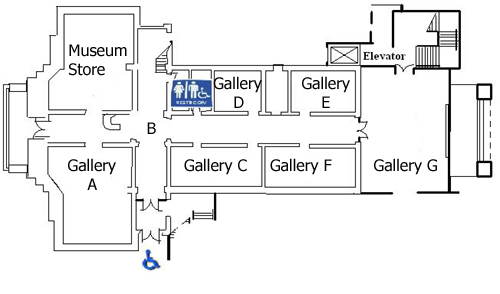
Gallery A: Human + apple = art
Gallery B: Chronicle of an apple (photo album)
Gallery C: Innovation, the apple concept
Gallery D: Wear the apple
Gallery E: The history of apples
Gallery F: Discovery through the senses
Gallery G: Cooking!
Come on June 6th to the big opening of the new exhibition, here is a small glimpse of some of our favourite pieces
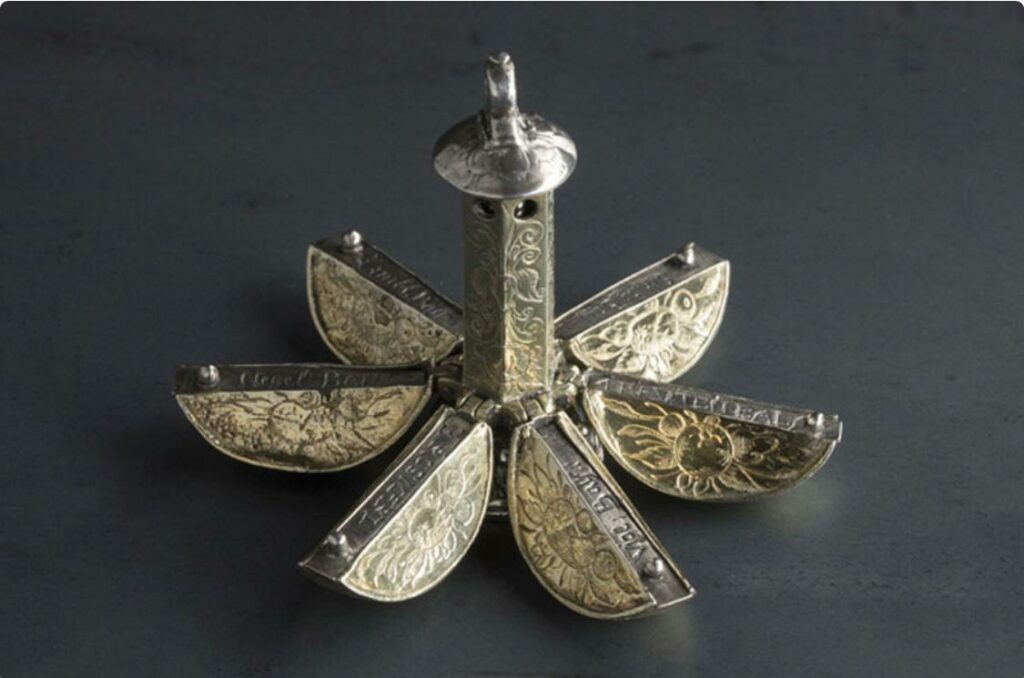
From the French “pomme d’ambre” or apple of amber, this small object, often divided into quarters, was used to carry dry perfumes or small scented sponges. These powerfully odorous substances were thought to protect against the miasmas of epidemics. Worn on the belt, as a pendant or held in the hand, pomanders were an item of dress and crafted like real jewellery.
=> see this artefact in gallery F
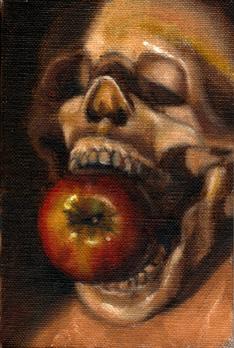
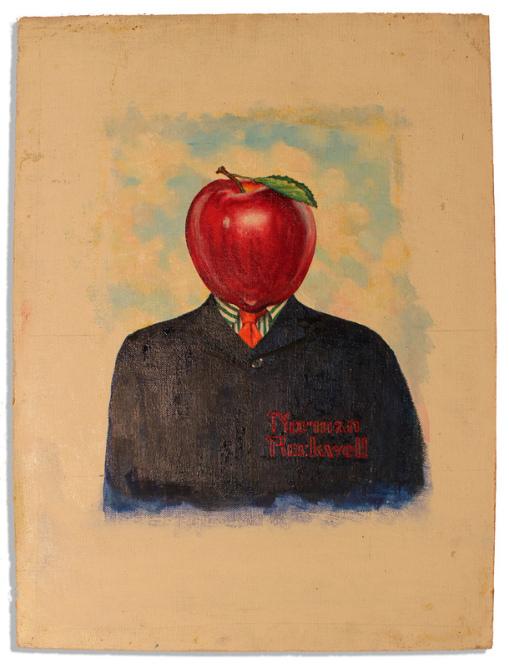
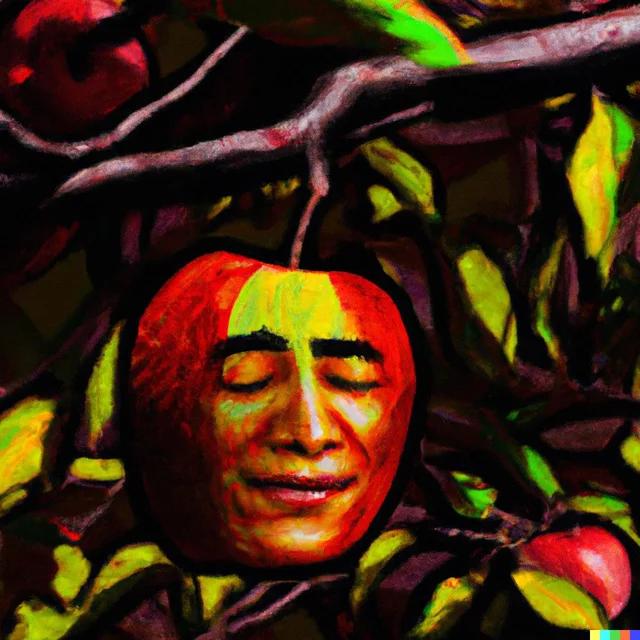
=> Discover these pieces in Gallery A
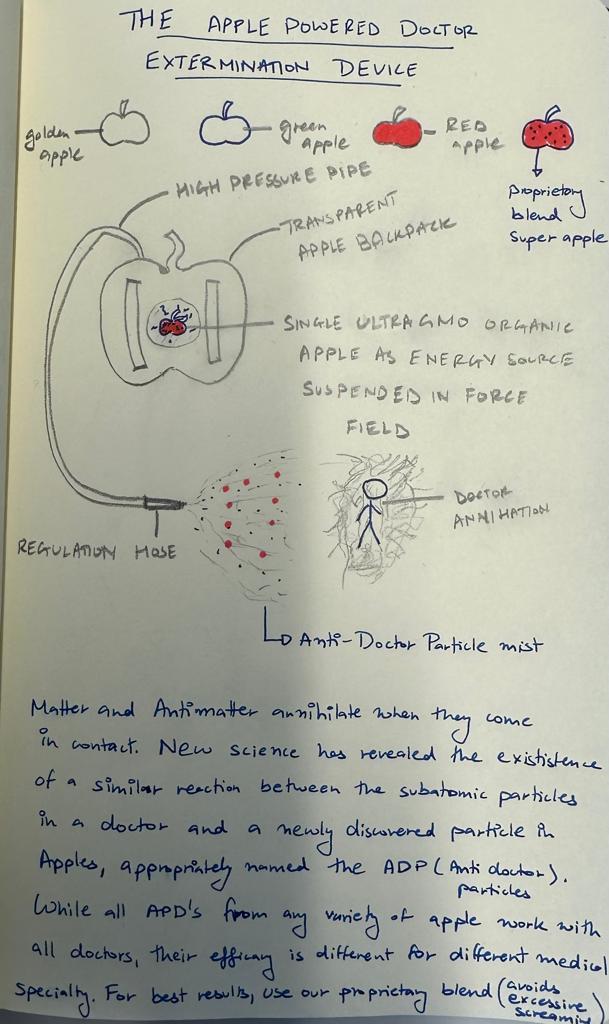
=> Discover this invention in Gallery C
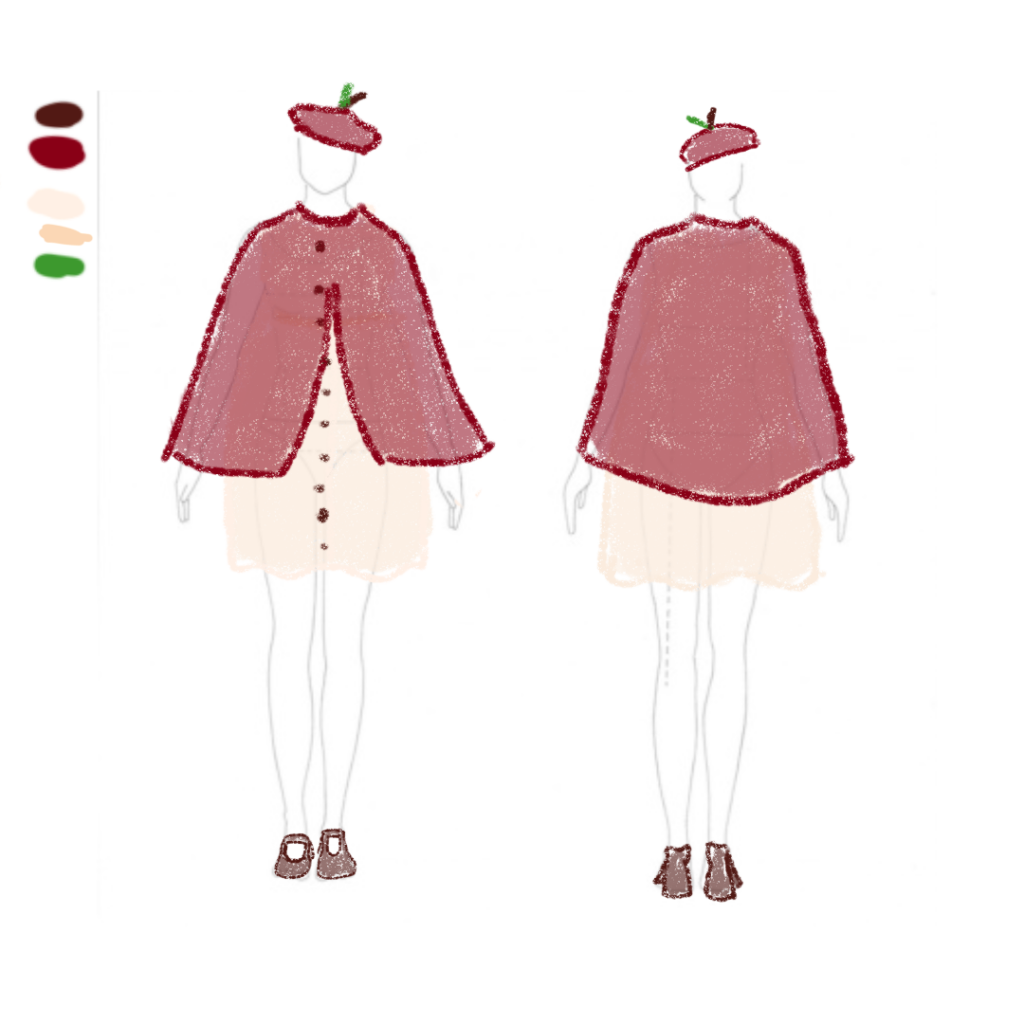
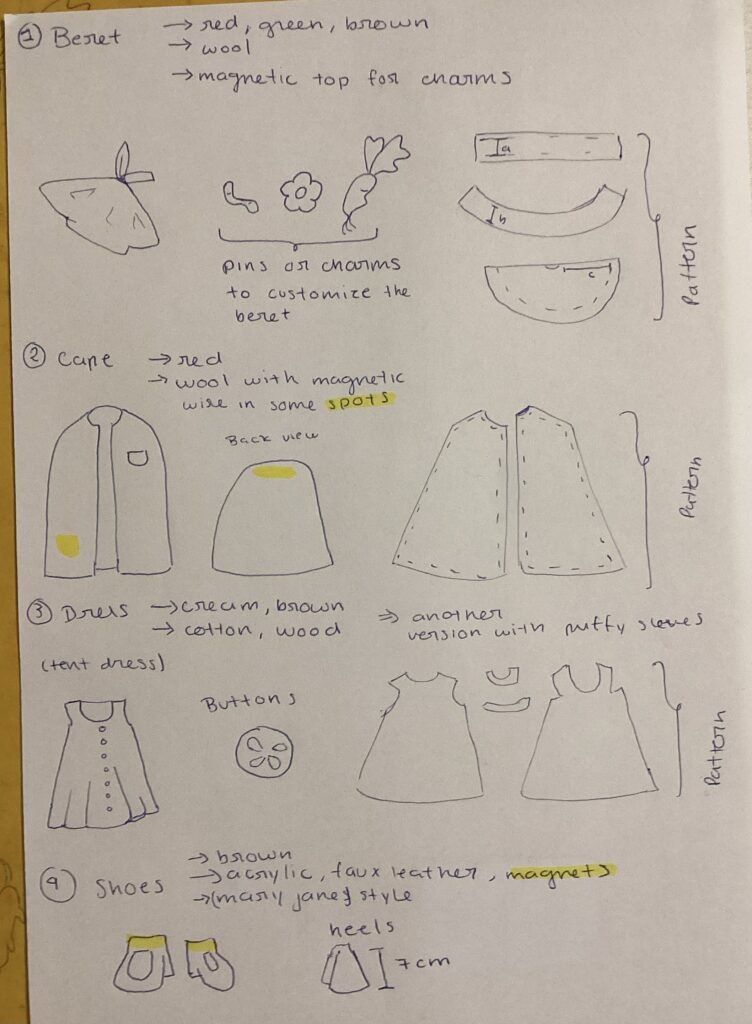
=> Discover this design in Gallery D
And remember the entrance is free on Tuesdays!
See you soon 🙂
Response to Art & Fear
I’ve never considered myself an artist, but I resonated with the line that said, ‘We leave drawings unfinished and stories unwritten. We do work that does not feel like our own. We repeat ourselves. We stop before we have mastered our materials, or continue long after their potential is exhausted.’ Often, I find myself starting a project or learning a craft but never progressing beyond a basic level. I have always attributed this habit to not having found what suits me or simply being interested in too many things. However, I have also recognized a lingering ‘fear’ associated with it.
I have wrongly believed that anything I create must be brilliant and admired by everyone. This misguided belief, coupled with the fear of realizing I lack the ‘genius’ described by Bayles and Orland, has prevented me from pushing past the basics. The discussion of fatalism as a form of fear resonated with me deeply—a fear that suggests our fates are in our hands, but our hands are weak. This understanding of fatalism spoke to me, as it aligns with my own experiences.
Though I don’t consider myself an artist, I still experience these sentiments or rather feelings. That is why I understand the concept of linking the self to the idea of being an artist, as explained in this chapter
Response to De Bono pt.3
In this chapter, Edward de Bono describes the disadvantages of constantly striving to be correct and the barriers it creates for new ideas and creativity. When I first began reading this chapter, I couldn’t comprehend the idea of persisting with a premise knowing that it is wrong. From a logical standpoint, it seemed counterproductive to invest time and effort into something that is fundamentally wrong.
However, as I delved deeper into de Bono’s arguments and reflected on the ideas presented, I started to understand the value in considering an idea that may not be objectively right but could potentially lead to a correct conclusion. This perspective challenged my preconceived and school-taught linear nature of problem-solving (vertical thinking) and painted a better picture of what it means to think laterally. I saw how it was a more exploratory and open-minded approach. By allowing ourselves to entertain “wrong” ideas, we open up the possibility of uncovering new insights and transforming our underlying assumptions. I see how this shift in thinking can be valuable in problem-solving, as it encourages us to question established beliefs and explore alternative perspectives.
Studio Visit – FIELD
Innovative
Super cool designs
Impactful work
Inspirational
I really enjoyed their process of converting abstract things such as convolutional neural networks and many different algorithms into art pieces.
field visit
Field.io visit
- Worked with adidas, ikea, think…
- Similar theme across all works
- Very futuristic
- Smaller team than I’d expected
- could be replaced by AI (maybe) but human touch is useful
Making Assignment 5 – Immersing Pillow – Oscar / Shahram / Sara
This concept was based on the cushion idea. We believe that a special pillow can be made to “remember” the user’s preferences for pillow shape and generate sound for the user to sleep better.
Shahram first came up with the big picture of the idea with an introduction video.
https://drive.google.com/file/d/16DRYnXzOTW1XrIobZLR-ElH7bMF5XDBG/view?usp=drivesdk
I believe that the pillow should be adjustable based on user preferences/ head shape and position. Moreover, the speakers should only activate around the ear region to minimize noise for others around. So, I then compiled our idea into a new design.
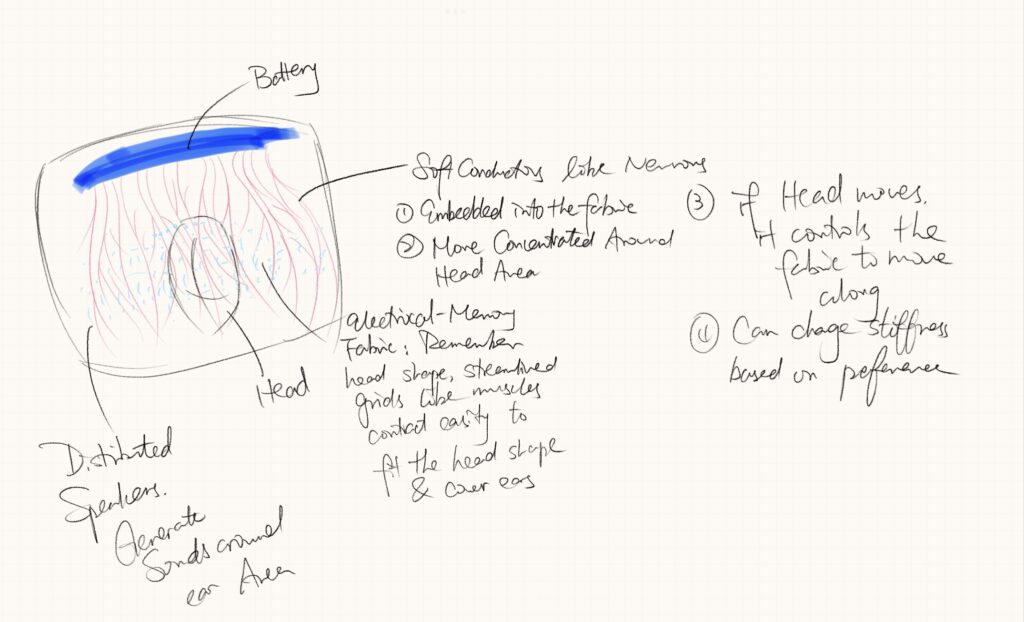
This post can be updated when Sara combines hers with the existing work.
Reading Response – Innovation and Suspended Judgement
I found this chapter very interesting and insightful, as it challenged me to think differently about how I generate and evaluate ideas. I agree with the author that forward-thinking is a process that involves moving forward by building new ideas while backward thinking involves the analysis of pre-existing ideas. I also like the concept of suspended judgment, which means delaying judgment while coming up with new ideas through lateral thinking. I think this is a useful skill to have, especially in situations where there is no clear or obvious solution. However, I wonder how easy it is to practice suspended judgment in real life, as we are often influenced by our biases, assumptions, and emotions. How can we overcome these barriers and become more open-minded and flexible thinkers? I also wonder how we can balance forward and backward thinking, as both are important for innovation. How can we know when to switch from one mode to another? These are some questions that I would have liked the author to explore further.
Reading response – Art and Fear
The chapter explores the challenges and rewards of making art. The author argues that artmaking is a skill that can be learned and improved through practice and reflection, rather than a matter of luck or talent. He also claims that artmaking is a way of discovering oneself and expressing one’s unique vision, rather than pleasing an audience or conforming to external standards. I agree with the author’s main points, as I think that artmaking is a personal and creative process that requires courage and perseverance. However, I wonder if the author is too dismissive of the role of the audience in artmaking. While I agree that artists should not compromise their vision or seek validation from others, I think that artmaking can also be a form of communication and dialogue with the audience. I think that art can have different meanings and effects depending on how it is received and interpreted by different viewers. Therefore, I think that artists should also consider the audience’s perspective and feedback when making art.
Studio Visit: FIELD
I liked this visit (even if i got lost trying to find the place). The way they found inspiration from food was interesting. The animation with the noodles looked really smooth and was really pretty. I realised that I liked what they were doing when they were showing the project with the lab equipment. I personally hate chromatography, but the second I saw their design I though: Oh chromatography is pretty. Making me forget my hate for a process for a second is something really hard to achieve, and they did it.